
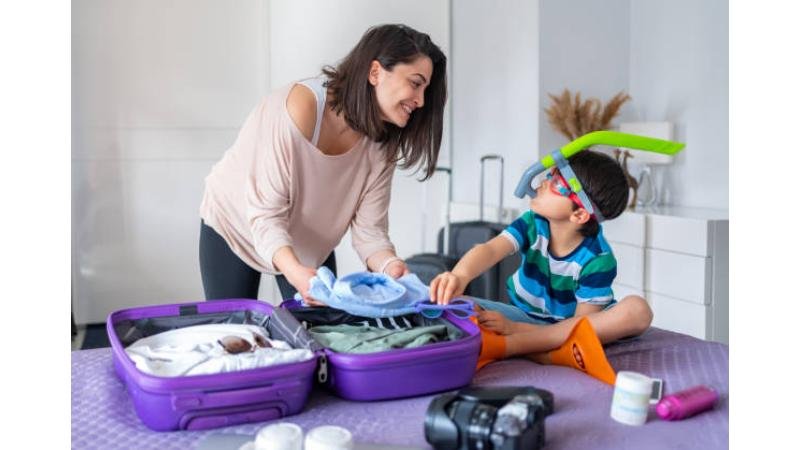
Packing for a trip can become confusing when you are unsure what to take and what to leave behind. A clear packing plan helps you organize your essentials without filling your luggage with unnecessary items.
The right packing list depends on several factors, including your destination, trip length, weather, planned activities, and available luggage space. Thinking about these details before packing makes the process much easier.
What Should You Pack?
Start by checking the important details of your journey before opening your suitcase. Think about where you are going, how long you will stay, what the weather may be like, and what you plan to do.
Once you understand these details, create a checklist that matches your actual needs. This approach is more useful than following one general list because every trip can require different items.

Your destination should be one of the first things you consider. A warm destination may require lightweight clothing, while a colder location may require layers and warmer outerwear.
Trip length also affects how much you need to pack. A short weekend trip generally requires fewer clothes and personal items than a longer journey, especially when laundry facilities are available.
How Do You Make a Travel Packing List?
Begin with the categories that are easiest to forget, such as important documents, medication, chargers, and personal essentials. After these are covered, move on to clothing, toiletries, and other items.
Writing everything down before packing also makes it easier to identify duplicates. You can review the list afterward and remove items that are unlikely to be useful during the trip.
Travel Documents Packing Checklist
Travel documents should be organized before you leave home. Depending on your journey, you may need a passport, identification, tickets, reservations, travel insurance information, or other required documents.
Keep important documents somewhere secure and easy to access. For international travel, check the entry and document requirements that apply to your destination before departure.
Clothing Packing Checklist
Clothing should be selected according to the weather, trip length, and activities planned for the journey. Useful basics can include shirts, trousers, underwear, socks, sleepwear, and suitable footwear.
Try choosing clothing that can be combined into several outfits. This gives you more flexibility without requiring you to pack a separate outfit for every possible situation.
How Many Clothes Should You Pack?

There is no single number of clothing items that works for every traveler. The amount depends on how long you will be away, the type of trip, weather conditions, and whether you can wash clothes.
Before adding another outfit, consider whether you will realistically wear it. Planning your outfits before placing them in your luggage can help prevent overpacking.
Packing Shoes for a Trip
Shoes can take up considerable luggage space, so choose them according to your planned activities. A comfortable everyday pair may be enough for some trips, while other journeys may require additional footwear.
Avoid packing several pairs that serve exactly the same purpose. If you need more than one pair, consider whether each one is suitable for a specific activity or weather condition.
Toiletries Packing Checklist
Personal-care items are another important part of your checklist. Depending on your routine, these may include a toothbrush, toothpaste, deodorant, shampoo, soap, skincare products, and other personal items.
Pack quantities according to the length of your trip when practical. If you are flying, remember to check the current baggage and liquid restrictions that apply to your journey.
What Toiletries Should You Take?
Think about the personal-care products you use every day first. Then add only the additional products that are genuinely useful for your destination or planned activities.
A small toiletry bag can keep these items organized. Keeping similar products together also makes it easier to find what you need without unpacking your entire suitcase.
Electronics Packing Checklist
Electronics should be based on your actual travel needs. Common items may include a phone, charging cable, headphones, camera, power adapter, or other devices required for work or personal use.
Keep small accessories together so they do not become difficult to find. Before leaving, check that important devices are charged and that you have the correct cables for them.
Should You Pack a Travel Adapter?
A travel adapter may be useful when your destination uses a different plug type from the one your devices require. This is particularly important for international trips.
Check the electrical requirements of your destination before traveling. If you are unsure about a device, verify its voltage requirements and the appropriate adapter before using it.
Medication and Personal Essentials
If you take medication regularly, include it in your travel preparation. Keep it organized and follow any applicable rules for carrying medication when traveling.
Other personal essentials may include glasses, contact-lens supplies, hygiene products, or items you use every day. These small things can be easy to forget when packing in a hurry.
What Should Go in Your Carry-On?
Your carry-on should contain important items you may need during transportation. Travel documents, valuables, medication, essential electronics, and basic personal items are examples of things that may be useful to keep with you.
Think about what you would need if your main luggage were temporarily unavailable. This simple question can help you decide which belongings should remain accessible during the journey.
How Should You Pack Valuable Items?
Valuable items should be handled carefully and kept secure during travel. Avoid placing important belongings somewhere that makes them difficult to monitor or access.
Items such as electronics, important documents, and other valuables are generally better kept with you when practical. Always consider the security requirements and baggage rules that apply to your journey.
Packing for a Weekend Trip
A weekend trip usually allows you to keep your packing list relatively simple. Focus on the clothes, toiletries, documents, electronics, and personal items you are genuinely likely to use.
Choose versatile clothing and avoid packing several unnecessary alternatives. A shorter trip can often be easier to manage when your luggage contains only the essentials.
Packing for a Long Trip
Longer trips may require more planning because you have more days to consider. Instead of automatically packing large quantities of clothing, think about laundry access and the activities planned during the trip.
A longer journey can also require additional personal items. Divide your list into categories so that important essentials are not overlooked among less important belongings.
Packing for a Business Trip
Business travel usually requires a balance between professional clothing and practical travel essentials. Consider your meetings, work requirements, footwear, toiletries, documents, and electronics.
If you need to work while traveling, check your laptop, charger, phone, and other required equipment before departure. Keeping work-related items organized can make travel days more efficient.
Packing for an Outdoor or Adventure Trip
Outdoor trips require more attention to planned activities and conditions. Your packing list may need activity-specific clothing, suitable footwear, and any equipment required for the activities you have chosen.
Avoid packing specialized equipment simply because it might be useful. First consider the actual activities you will participate in and the equipment you will realistically need.
How Can You Avoid Overpacking?
One of the simplest ways to avoid overpacking is to create your list before putting anything into your suitcase. After laying everything out, review each item and ask whether it has a clear purpose.
Repeated items are another common source of unnecessary luggage. If two things perform the same function, consider whether you genuinely need both for this particular trip.
How Can You Save Space in Your Luggage?
Use your luggage space thoughtfully rather than simply trying to fill every empty area. Organizing similar items together can make the suitcase easier to manage and help you see what you have packed.
Clothing can be planned as complete outfits before packing. This reduces the chance of bringing pieces that do not work together and can make daily decisions easier during the trip.
What Should You Pack at the Last Minute?
Some items are naturally difficult to pack early because you still use them before leaving. These may include your phone charger, everyday toiletries, glasses, or other items used on departure day.
Make a small last-minute checklist for these belongings. Keep it somewhere visible so you can check it immediately before leaving home.
What Should You Check Before Leaving?
Review your travel documents, payment methods, medication, electronics, chargers, and other essential items. These are often more important than adding another piece of clothing to your luggage.
Also review the practical details of your trip. Confirm transportation information, accommodation details, baggage requirements, and any destination-specific requirements before departure.
Complete Travel Packing Checklist
Important Documents
- Passport or identification
- Tickets or travel confirmations
- Accommodation information
- Travel insurance information, if applicable
- Required travel documents
Clothing
- Shirts or tops
- Trousers or other bottoms
- Underwear
- Socks
- Sleepwear
- Comfortable footwear
- Weather-appropriate clothing
Toiletries
- Toothbrush and toothpaste
- Deodorant
- Shampoo or other hair products
- Soap or body wash
- Skincare products
- Other personal-care essentials
Electronics
- Phone
- Phone charger
- Headphones
- Camera, if needed
- Power adapter, if required
- Other necessary devices
Personal Essentials
- Required medication
- Glasses or contact-lens supplies
- Wallet
- Payment methods
- Other daily-use items
Final Packing Check
After your suitcase is packed, take a few minutes to compare it with your checklist. This final review can help you catch important items that were forgotten during the main packing process.
Do not feel that every empty space in your luggage needs to be filled. Leaving some room can make the bag easier to manage and gives you flexibility during the journey.
Final Thoughts
Packing well is mainly about preparing for the trip you are actually taking. When your checklist is based on your destination, trip length, weather, activities, and personal needs, it becomes much easier to decide what belongs in your luggage.
A useful packing routine starts early, keeps essential items organized, and includes a final check before departure. The goal is not to pack everything you own, but to take the things that will genuinely help you during your trip.
Frequently Asked Questions
What is the best way to pack for a trip?
The best approach is to create a checklist based on your destination, trip length, weather, activities, and personal needs. Organize items into categories so important belongings are easier to track.
How do I pack without overpacking?
Start with the essentials and plan your outfits before packing. Remove duplicate or rarely useful items after reviewing everything you have laid out.
What should I pack in my carry-on?
Keep important documents, valuables, medication, essential electronics, chargers, and other items you may need during transportation in your carry-on when practical.
How many outfits should I pack for a trip?
There is no universal number because it depends on the trip length, weather, activities, and access to laundry. Plan outfits according to what you realistically expect to wear.
What should I pack for a weekend trip?
Focus on essential clothing, toiletries, documents, electronics, medication if needed, and personal items. A short trip usually allows you to keep the packing list relatively simple.
Should I pack toiletries in my suitcase or carry-on?
This depends on the type of toiletry and the baggage rules that apply to your journey. For air travel, check the current liquid and baggage requirements before packing.
How can I make packing easier?
Create your checklist early and organize belongings by category. Packing from a prepared list makes it easier to notice missing essentials and avoid unnecessary items.
What should I do the night before a trip?
Complete your main packing and review your checklist. Leave only the items you still need during the evening or departure morning for the final check.
What should I check before leaving for the airport?
Check your travel documents, transportation details, luggage, payment methods, medication, electronics, and chargers. Also confirm the baggage requirements that apply to your flight.
Is it better to pack light?
Packing light can make luggage easier to carry and manage, but the right amount depends on your destination and trip requirements. Focus on taking useful essentials rather than simply reducing the number of items.
What is the most commonly forgotten travel item?
There is no single item that every traveler forgets. Commonly overlooked belongings can include chargers, personal-care items, documents, medication, or other small daily essentials, which is why a final checklist is useful.